Insights on Data Protection and Cookie Compliance
Practical articles on FADP, GDPR, cookie banners and compliance — written for Swiss SMEs, agencies and enterprise clients.

Load Google Analytics only after consent, without a single line of code
Tracking scripts may only run once the visitor has agreed. Until now that meant editing your page template, rewriting scripts and hoping for the best. From today you simply enter your measurement ID in Aiara. Here is which services are ready and what to watch out for.

Who is watching when you open a hospital website?
We measured 40 Swiss hospital and clinic websites. On 25 of the 32 that were reachable, data flows to Google or Meta before anyone has clicked «Accept». On the page of a maternity ward, the full address including the page title went to Google, without any consent at all. A finding, its legal classification, and the question of where the data ends up.
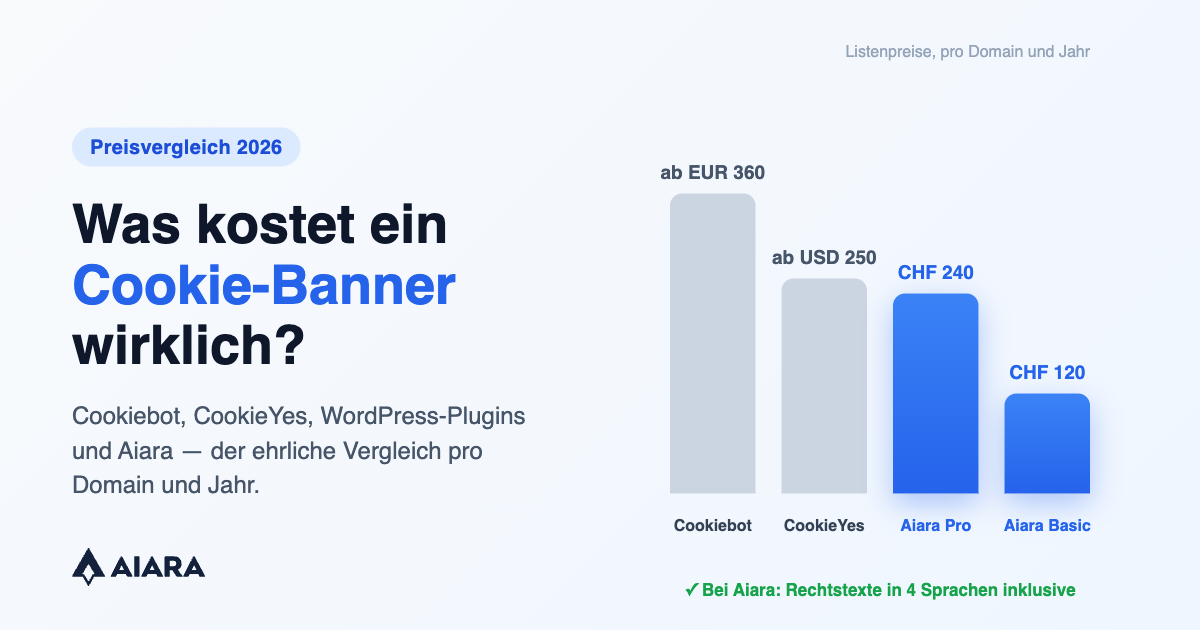
What Should a Cookie Banner Cost? An Honest Price Comparison
"Too expensive for what it does" — we hear that occasionally. Time for an honest calculation: what do Cookiebot, CookieYes and WordPress plugins really cost, what do free tools deliver, and how does the price compare to the risk? A comparison with open cards.
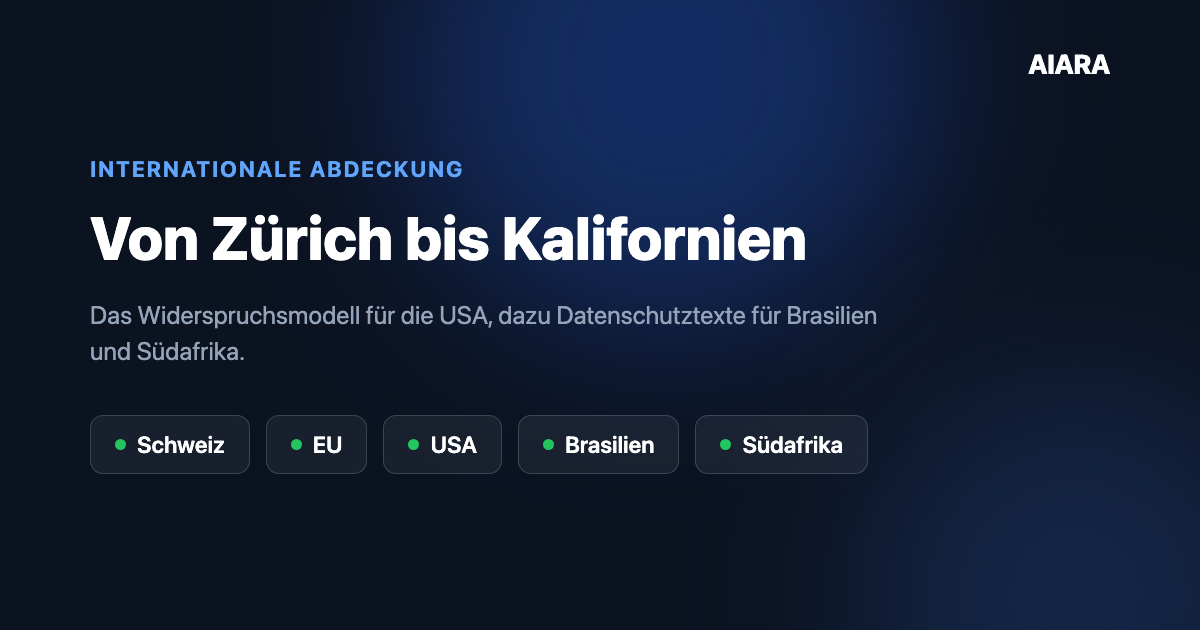
Beyond Switzerland: Aiara now covers the USA, Brazil and South Africa
Anyone with visitors from the United States needs no consent banner — quite the opposite. We have extended Aiara with the American opt-out model and added privacy sections for Brazil and South Africa. What lies behind it and how to enable it.
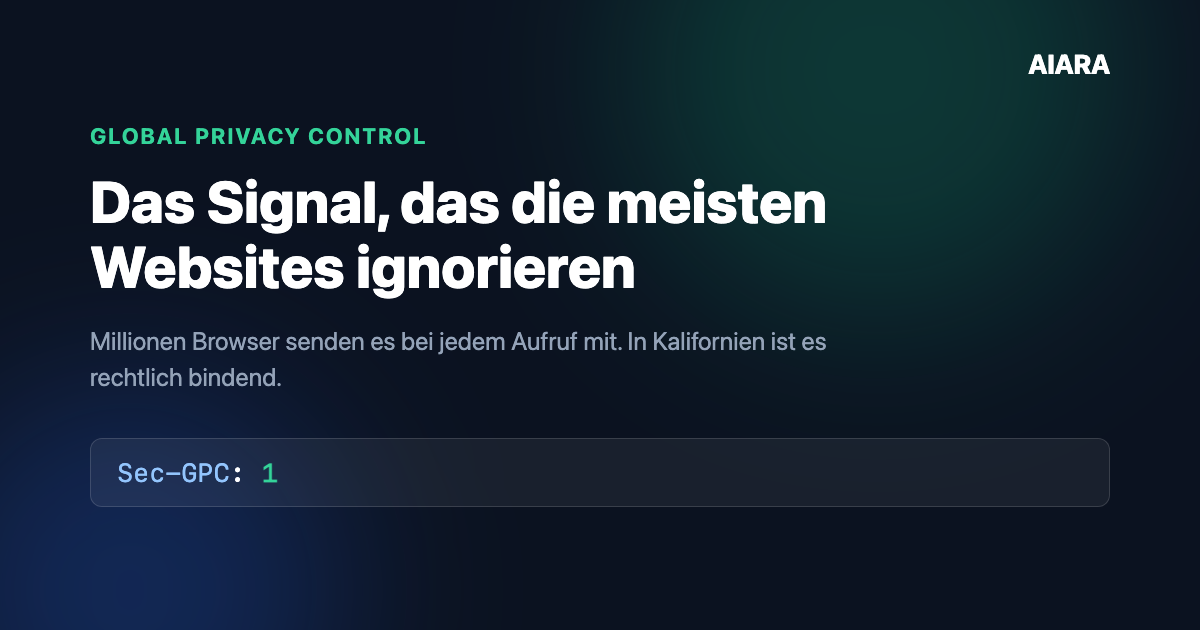
Global Privacy Control: the signal most websites ignore
Millions of browsers send a signal with every page view that amounts to an objection. In California it is legally binding — and the first case in which it was ignored cost 1.2 million dollars. What GPC is, where it applies and how to detect it.
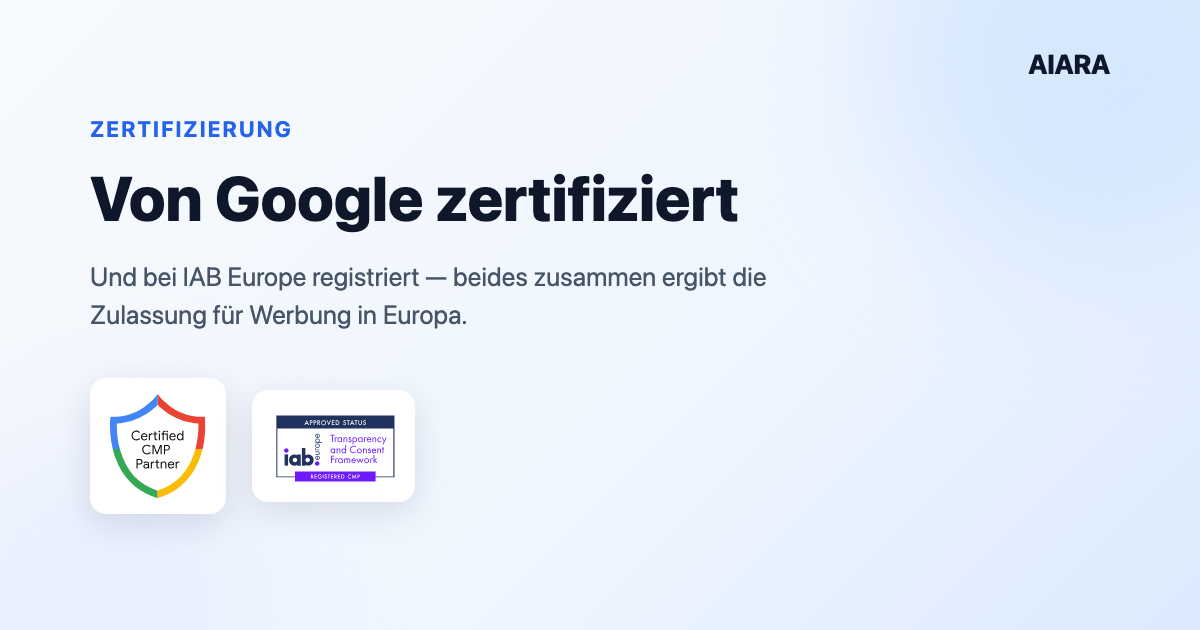
Aiara is certified by Google — what that means for Swiss websites
Since August 2026, the Aiara Privacy Suite has been a Google-certified Consent Management Platform. Together with the registration at IAB Europe, which was part of the foundation from the outset, both requirements for advertising in Europe are now in place.

Labelling AI Content: What the New EU Icons and the AI Act Require from August 2026
From 2 August 2026, the EU AI Act's transparency obligations apply: deep fakes and certain AI texts must be labelled. The EU has published official icons for this. What Swiss companies need to know now — and what isn't required.
Consent Logs: How Long Do I Need to Keep Cookie Consent Records?
If you rely on consent for cookies, you must be able to prove it — without a consent log, it's your word against the visitor's. What belongs in the record, why there is no statutory retention period, and which guardrails still narrow down the answer.
Data Processing Agreements (DPA) in Switzerland: When You Need One — With a Checklist
Hosting, newsletter tools, cloud storage: as soon as a service provider processes personal data on your behalf, you need a contract. When a Data Processing Agreement is mandatory, what belongs in it — and why copying a template without adapting it is risky.

Cookie Banners for Online Shops in Switzerland: Setting Up Shopify, WooCommerce & Co. Correctly
Online shops track more than any brochure website: ad conversions, retargeting, payment providers, review widgets. Why almost every Swiss shop also has to comply with the GDPR, which cookies are typical — and how to set up the cookie banner in Shopify, WooCommerce and other shop systems.
Cookie Banner Checklist for Web Agencies: 20 Points Before Every Client Launch
Launch days are stress days — and that is exactly when data protection gets dropped. 20 checks for web agencies before every client launch: from banner obligation to script blocking to a clean handover to the client.
Data Protection Fines in Switzerland: Who Gets Punished — and for What
The Swiss data protection act threatens fines of up to CHF 250,000 — but who actually imposes them, and who do they hit? The surprising answer: not the FDPIC, and not the company. What is actually punishable, which cases have become public so far, and where the real risk lies in everyday web practice.

Legal Notice Requirements in Switzerland: What Every Website Needs
Is there actually a legal notice (imprint) requirement in Switzerland? The honest answer is more nuanced than most guides suggest — and that's exactly why it matters. What the law really requires, how Switzerland differs from Germany, and the mistakes I see over and over.

FADP-Compliant Newsletters: Getting Double Opt-in Right in Switzerland
Is double opt-in mandatory in Switzerland? Not explicitly — but if you can't prove consent, you have a problem in a dispute. What Art. 3 UCA really requires, when the existing-customer exception applies, and how to set up newsletter sign-up properly.
Setting Up Google Analytics 4 in Line with the Swiss FADP: Step by Step
Google Analytics 4 is the most widely used analytics tool on Swiss websites — and it can be run lawfully, provided the setup is right. Six steps, from consent and Consent Mode V2 to the privacy policy.
The nDSG Explained: Switzerland's New Data Protection Act for SMEs
Switzerland's revised data protection act — commonly called the nDSG — has applied since 1 September 2023, with no transition period and to virtually every company. What it means for Swiss SMEs in practice: the five key obligations, the sanctions, and a plain-language checklist to get started.
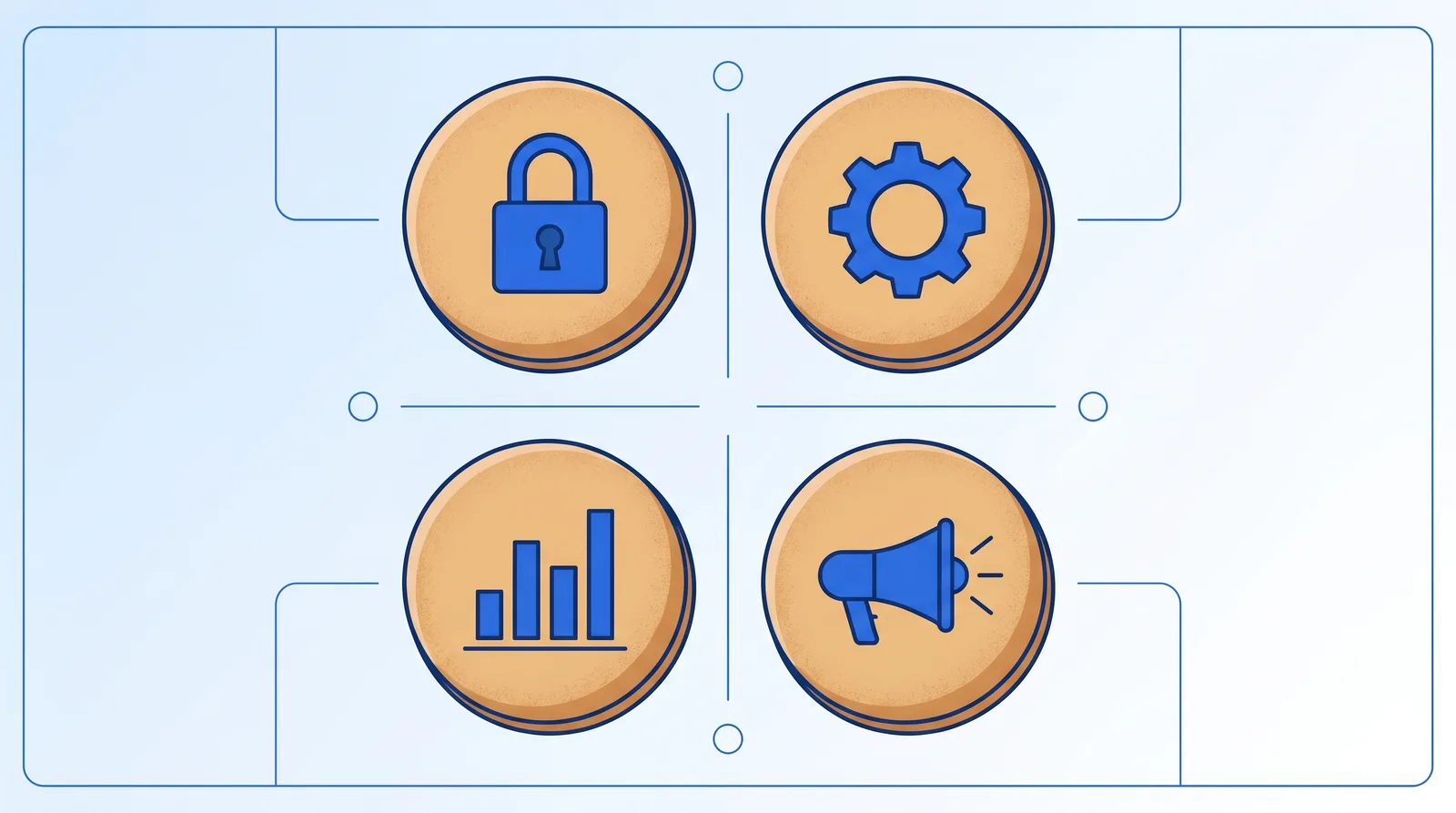
Cookie Categories Explained: Necessary, Functional, Statistics, Marketing
Four categories every website should know — and that every web agency must be able to explain to its customers. What goes in, what doesn't, and the classification mistakes I regularly see.
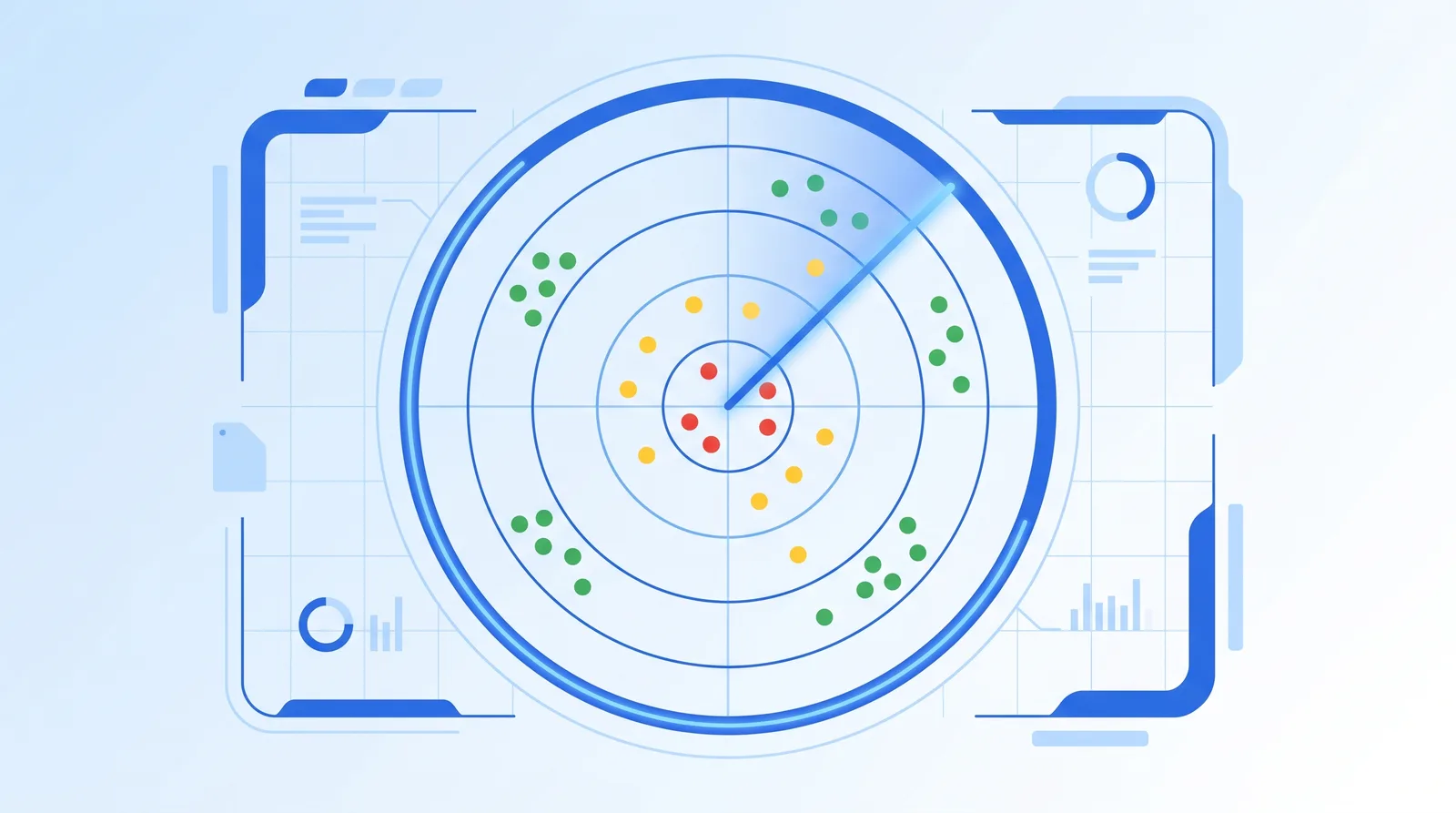
Risk Radar According to FDPIC Annex A: Systematically Evaluating Privacy Risks
Annex A of the FDPIC guide describes a risk evaluation methodology that many SMEs don't know. How it works, when it's mandatory, and how to apply it for your website — without compliance theatre.

Cookie Scanner: How to Find Out What Your Website Really Tracks
Manual cookie inventory is almost always wrong — modern websites set more cookies than developers suspect. How a cookie scanner works, how to do a quick inventory yourself, and where automated solutions make sense.
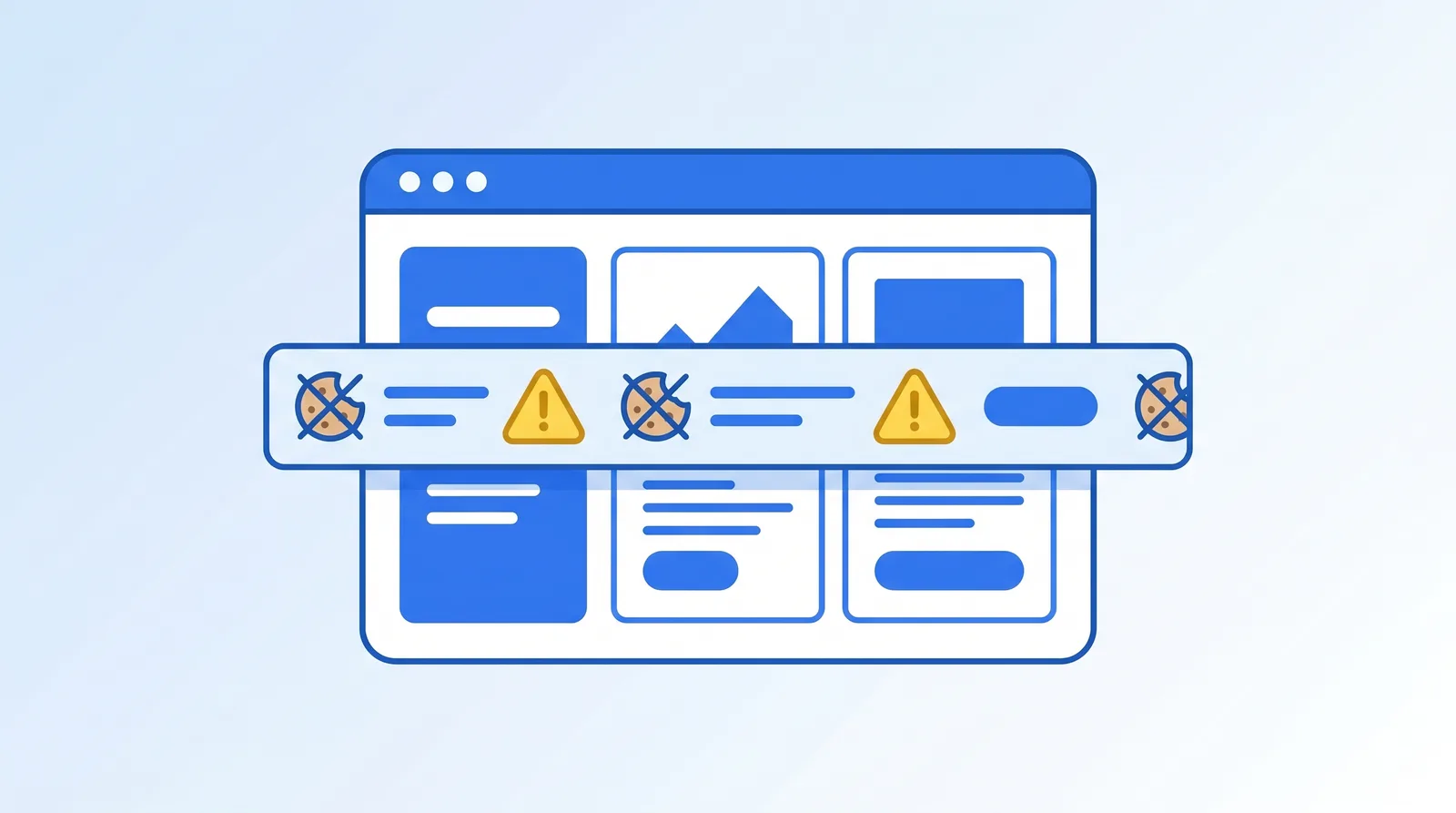
7 Cookie Banner Mistakes That Can Cost Swiss SMEs Dearly
After hundreds of cookie audits at Swiss web agencies, the same seven mistakes keep recurring. An honest list — with concrete advice on how to fix them without making the banner pushy.
The FDPIC Guide in Practice: What It Really Means for Website Operators
The FDPIC updated its guide on cookies and online tracking in 2024. But what does it actually contain — and how far does practice deviate from the wording? An overview from two years of consulting.
How to Create a Privacy Policy: Template and Practical Guide for Swiss Websites
A correct privacy policy is more than a mandatory text from a template. What really belongs in it, which mistakes I regularly see at Swiss SMEs — and when a generator beats a lawyer.
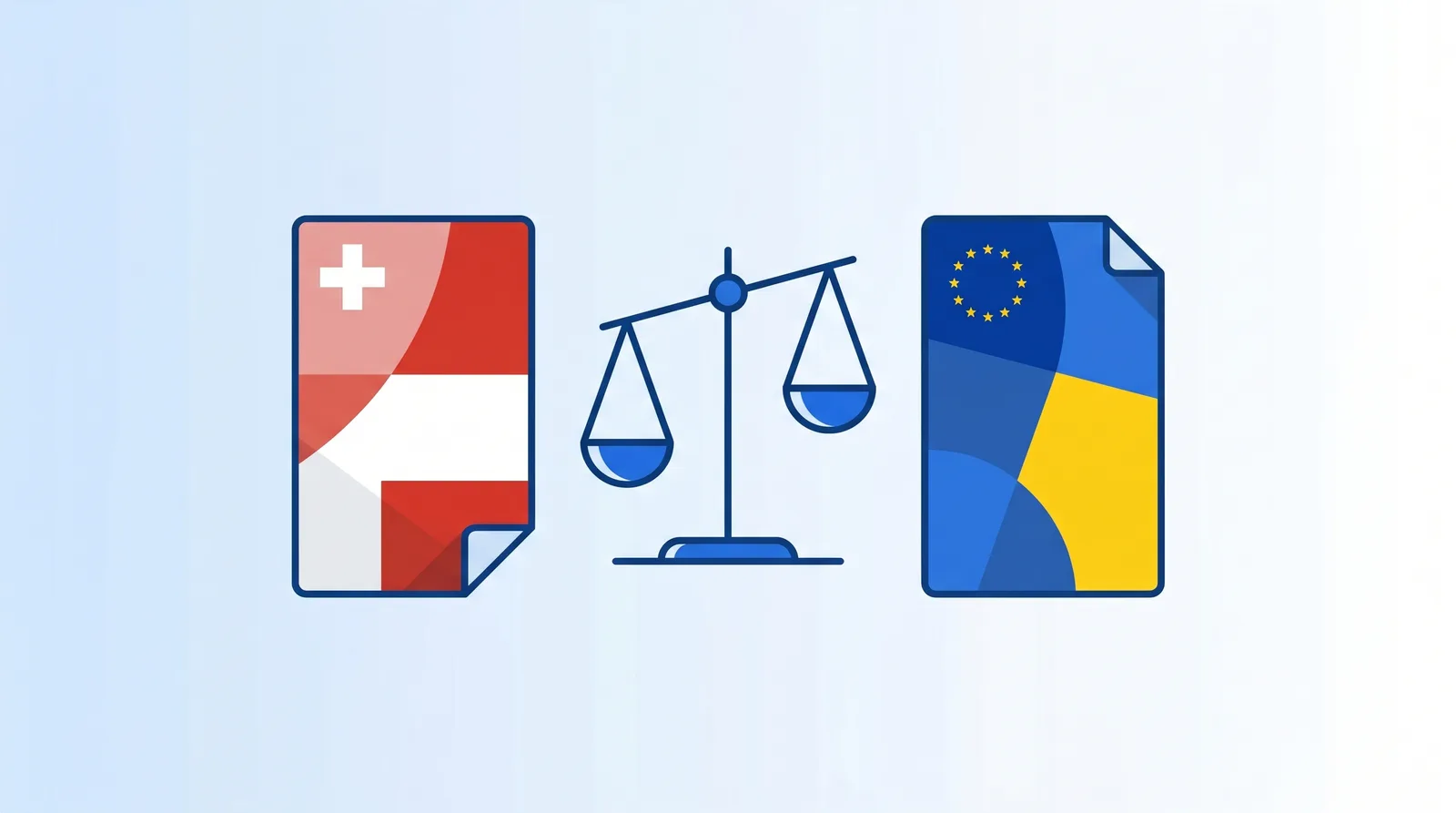
FADP vs. GDPR: The Key Differences for Swiss Companies in 2026
Swiss law, EU law — or actually both? The most important differences between the revised FADP and GDPR in direct comparison, with concrete practice for SMEs operating across borders.
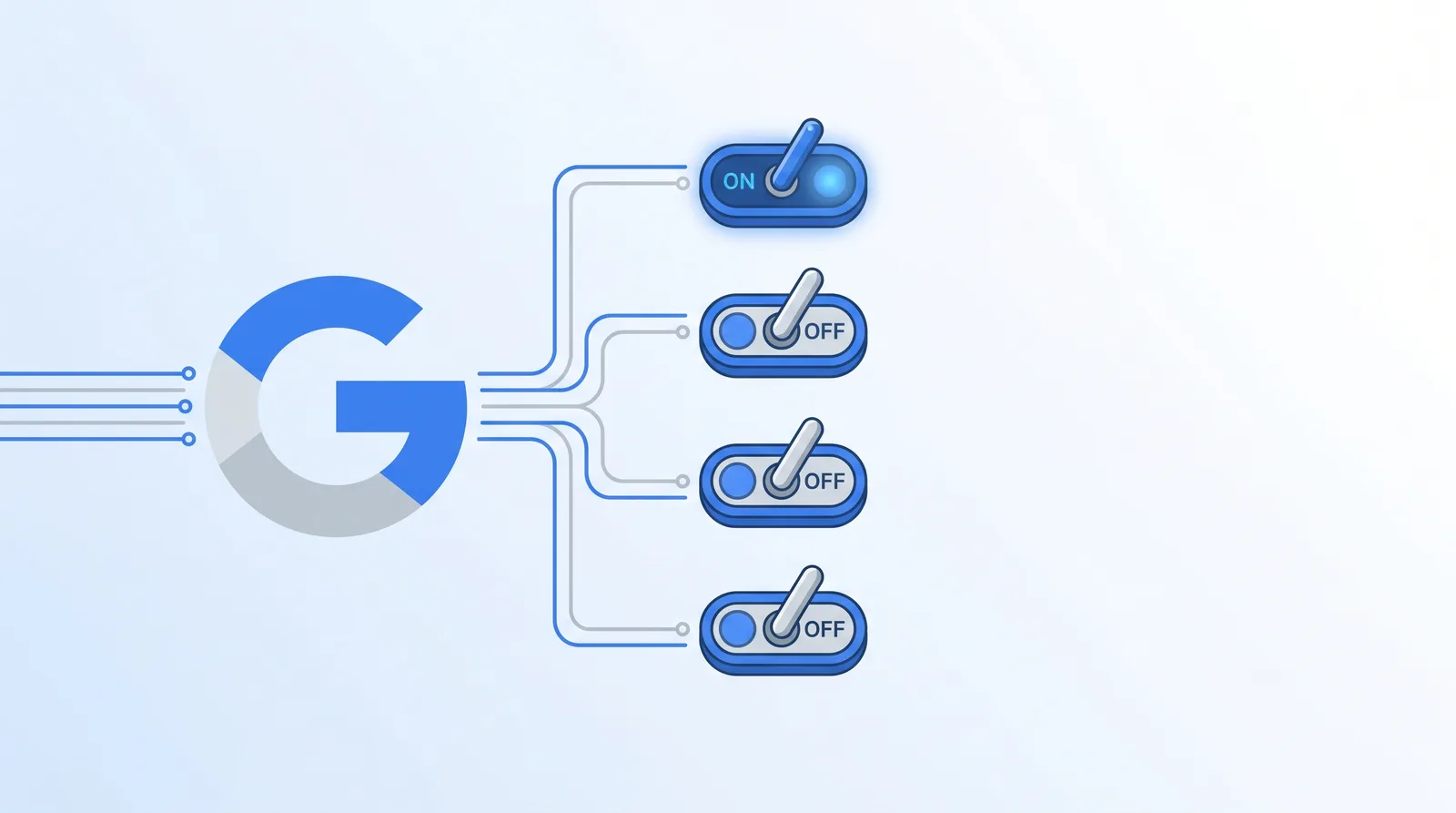
Google Consent Mode V2 in Switzerland: Complete Guide for SMEs
Since March 2024, advertisers have needed Consent Mode V2 — otherwise conversions from EEA visitors are no longer measured. But what does that mean for Swiss websites, and how do you implement it FADP-compliant?

Cookie Banner Obligation in Switzerland: What Really Applies in 2026
Does every Swiss website need a cookie banner? The answer is surprisingly nuanced. A clarification of the most common myths — with practical examples from Swiss daily life.
The Revised Swiss FADP 2025: What Actually Changes for Swiss Companies
The revised Swiss Federal Act on Data Protection (FADP) has been in force since September 2023. Yet many SMEs have only halfway implemented the changes. A practical guide to the five most important updates — and what to do about them in 2026.